
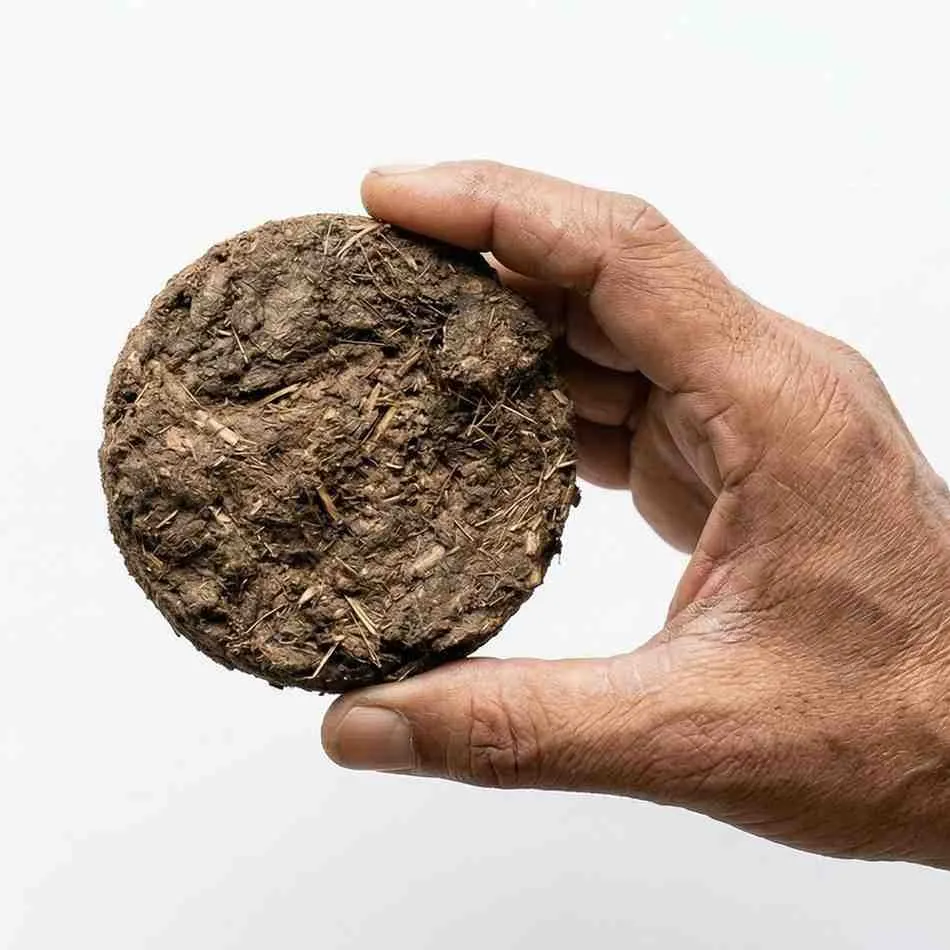
Cow Dung
2 kg pack (60 Pieces)
₹499.00₹399.00
Pure Cow Dung
Finding pure cow dung these days is not as easy as it sounds. Many people assume cow dung cakes are simple village products, but the reality is a bit different now. A lot of what is sold online or in city markets is mixed with soil, straw, or sometimes pressed by machines just to increase quantity.
Some buyers complain that the cow dung does not burn properly. Instead of slow heat for havan or pooja, it creates too much smoke or a strange smell. That usually happens when the dung is not from healthy cows or when it is dried in a hurry during humid weather.
People who regularly perform daily pooja, agnihotra, or havan often become very particular about the quality of cow dung. They can usually tell the difference just by smell or by how the cake burns.
I might be wrong, but many long time buyers say that properly dried cow dung has a natural earthy smell and steady burning behaviour. When it is genuine, you do not see too much black smoke and the ash stays light and powdery.
That is why many people now prefer sourcing cow dung from villages or gaushalas rather than buying random market stock.
Where This Cow Dung Comes From
The cow dung used for these cakes usually comes from small village households where cows are part of everyday life. In many villages, families keep two or three desi cows mainly for milk and farming work, and the dung naturally becomes part of daily rural use.
Most of the cow dung collected for making cakes comes from cows that graze on natural fodder like grass, husk, and dry crop residue. This affects the texture and smell of the dung quite a bit. Cow dung from grass fed cows tends to burn cleaner compared to dung from animals kept on heavy commercial feed.
In many places, women from farmer families collect fresh cow dung in the morning while cleaning the cattle area. It is a routine task in villages. The same dung that was traditionally used for kitchen chulhas and floor coating is now also prepared into cakes for pooja and havan use.
Some batches also come from small gaushalas where cow dung is collected daily and shaped into cakes as a part of community work. Sometimes self help groups of village women do this together.
So the source of cow dung is not a factory or a machine line. It usually starts from a small rural cattle shed somewhere in a village where cows are still part of everyday life.
How the Cow Dung Cakes Are Prepared and Dried
The preparation of cow dung cakes is still mostly a handmade process. Fresh cow dung is collected and then shaped by hand into flat round cakes. No machines, no moulding equipment in most cases.
Some people mix a little natural straw or dry grass into the cow dung while shaping the cakes. This helps the cakes hold structure and burn evenly later. Not everyone does this though. Some prefer pure cow dung without any fibre.
Once shaped, the cow dung cakes are placed under sunlight to dry. This drying stage is very important. In proper weather it usually takes two to three days for the cakes to dry completely.
But in monsoon or winter, drying can take longer. Sometimes this affects the hardness of the cow dung cakes. They may remain slightly softer and break more easily during transport.
There is also a big difference between handmade cow dung cakes and machine pressed ones. Personally, I still feel handmade cakes burn better and give more consistent heat during havan.
The drying yard often looks very simple. Just rows of cow dung cakes laid out under open sunlight, turned occasionally so both sides dry evenly.
And sometimes, if clouds appear suddenly during drying, villagers quickly collect the semi dried cakes before rain starts. That part is always a bit rushed.
Real Look, Smell and Burning Behaviour of Cow Dung
Good Cow Dung cakes usually look simple and uneven. They are not perfectly round like factory products. Some pieces may be slightly thicker, some a little thinner. That is normal with handmade Cow Dung cakes.
Colour is usually light brown to dark earthy brown depending on how long the Cow Dung dried in sunlight. If the cakes look too black or have too much loose soil falling off, sometimes that means extra mud was mixed. Some buyers notice this immediately.
The smell of dry Cow Dung is also very particular. It is earthy and natural. Not sharp, not chemical. When the packet is opened, the smell is noticeable but it should not feel unpleasant. In villages this smell is very common around cattle areas.
Burning behaviour tells a lot about the quality of Cow Dung. When one cake is lit, it should catch slowly and then start glowing from the edges. The Cow Dung should not produce aggressive flames. Instead it burns gradually and releases steady heat.
During havan or daily pooja, Cow Dung cakes usually burn for a reasonable time depending on thickness. Thin cakes may last around fifteen to twenty minutes while thicker Cow Dung cakes sometimes go longer.
Smoke level also matters. Properly dried Cow Dung produces mild smoke. If the Cow Dung is slightly moist because of weather or storage, smoke may increase. Some buyers notice this more during monsoon months.
Ash from burned Cow Dung usually becomes soft grey powder. Many people collect it after pooja because the ash has traditional uses in gardens and small farming work.
Common Ways People Use Cow Dung Cakes
There are many simple ways people use Cow Dung cakes in everyday traditional practices. The most common use is during pooja and havan rituals. A small piece of Cow Dung is often used as the base fuel to start sacred fire.
In many homes, Cow Dung cakes are also used during agnihotra rituals where the Cow Dung burns slowly while ghee and havan samagri are offered into the fire.
Village kitchens still use Cow Dung cakes in chulhas for cooking simple food like roti or boiling milk. The slow heat from Cow Dung works well for this kind of cooking.
Some people burn a small piece of Cow Dung in the evening near doorways or courtyards to reduce insects and mosquitoes. The smoke tends to spread slowly in open areas.
Cow Dung cakes are also useful during festivals when people make gobar diyas or small traditional lamps. In some regions Cow Dung is shaped into small platforms for placing diyas during Diwali.
In farming communities, Cow Dung ash from burnt cakes sometimes goes into compost pits or small kitchen gardens. Farmers say the ash mixes well with soil.
And sometimes people just keep Cow Dung cakes ready in the house for sudden pooja needs. It happens often.
Practical Benefits of Using Natural Cow Dung
One simple benefit of natural Cow Dung is steady heat when burning. The Cow Dung does not flare up quickly like wood pieces. Instead it burns gradually which is useful during pooja or havan where slow fire is needed.
Another practical point is availability. Cow Dung has been used in Indian villages for generations, so people already understand how to handle it, how to light it, and how much is needed.
Cow Dung cakes also leave behind very fine ash. Many people prefer this ash for small gardening use or mixing into compost. It blends easily with soil.
Some buyers say natural Cow Dung produces a calmer fire during rituals compared to chemical fuel tablets that are sometimes sold in markets.
Storage is also fairly simple. If Cow Dung cakes are kept in a dry place away from moisture, they can last quite a long time without losing burning quality.
Of course storage matters. If Cow Dung absorbs moisture during rainy season it may take longer to light. Depends on weather and packing also.
Still, many families who regularly perform pooja prefer natural Cow Dung over artificial alternatives. Old habits stay for a reason I suppose.
Storage, Packaging and Delivery Reality
Cow Dung cakes are natural village products, so storage matters more than people think. If the Cow Dung cakes are kept in a dry place, they usually stay good for months. Many buyers simply store them in a cardboard box or a cloth sack somewhere in the house where moisture cannot reach.
One common mistake people make is keeping Cow Dung near damp walls or balconies during rainy season. The cakes slowly absorb moisture from the air and then they become harder to light. Sometimes they still burn, but smoke becomes heavier.
For long storage, some people keep Cow Dung cakes inside an airtight plastic container or steel box. That works well especially in humid areas.
About packaging, one honest thing should be said. Cow Dung cakes are slightly fragile. During transport a few pieces can break into smaller parts or powder. It is normal with natural dried Cow Dung. The burning quality usually stays the same even if pieces break.
Smell during delivery is also something new buyers notice. When the package is opened, the natural Cow Dung smell is there. It fades after some time once the cakes are kept in open air.
Weather also affects delivery condition. In summer the Cow Dung stays very dry and strong. In monsoon sometimes the cakes feel a little softer depending on storage during transit.
Nothing unusual really. Just a natural rural product travelling through courier networks.
Common Questions Buyers Ask About Cow Dung
Is this pure Cow Dung or mixed with mud?
Most buyers ask this first. Good Cow Dung cakes are usually made directly from collected dung with very little or no soil. Sometimes small natural fibres from grass may appear. That is normal.
How many Cow Dung cakes come in one order?
This pack contains around 40 pieces of Cow Dung cakes in 2 kg, priced at ₹399. The exact count can vary slightly depending on thickness.
Do Cow Dung cakes burn with too much smoke?
If the Cow Dung is properly dried, smoke stays mild. Slight smoke is natural though. If the cakes absorb moisture during storage, smoke may increase a little.
Can these Cow Dung cakes be used for havan and daily pooja?
Yes, many buyers use Cow Dung exactly for this purpose. A single cake usually burns long enough to start a havan fire.
Will Cow Dung smell strong inside the house?
The dry Cow Dung smell is noticeable when the packet is opened. After some time it becomes mild. During burning the smell changes to a smoky earthy smell.
Are these machine made Cow Dung cakes?
Some buyers prefer handmade Cow Dung because it burns slower. Machine pressed cakes exist in markets, but many people still like handmade ones better. Opinions differ though.
Do broken Cow Dung pieces still work?
Yes. Even if some Cow Dung cakes break during delivery, the smaller pieces burn the same way. Many people actually break them intentionally before lighting.
Product Name | Cow Dung Cakes |
Primary Material | Natural Cow Dung |
Quantity | 2 KG Pack |
Pieces in Pack | Approx. 40 Pieces |
Price | ₹399 |
Shape | Handmade flat round cakes |
Drying Method | Naturally sun dried |
Source | Village cow sheds and small gaushala collections |
Colour | Light to dark earthy brown depending on drying |
Smell | Natural earthy cow dung smell |
Burning Behaviour | Slow burning with steady heat |
Ash Type | Soft grey ash after burning |
Common Uses | Pooja, havan, agnihotra, chulha cooking, mosquito smoke, gobar diya making |
Storage Advice | Keep in a dry place away from moisture |
Packaging | Packed carefully but some pieces may break during delivery |
Suitable For | Pooja users, havan rituals, traditional households, organic farming use |
Not Ideal For | People expecting perfectly shaped machine made cakes |