Save up to 20% today!
Cow Dung Cakes
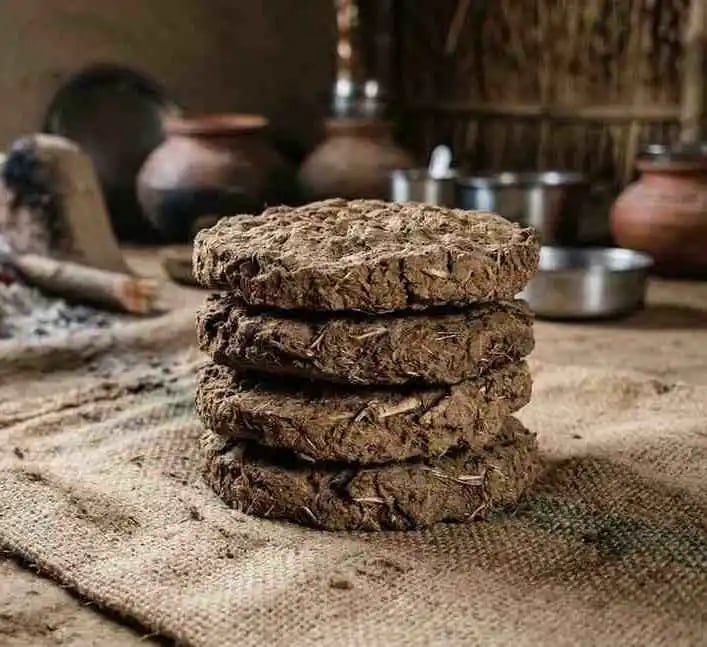
Shop Now
Cow Dung Upla
Buy Now
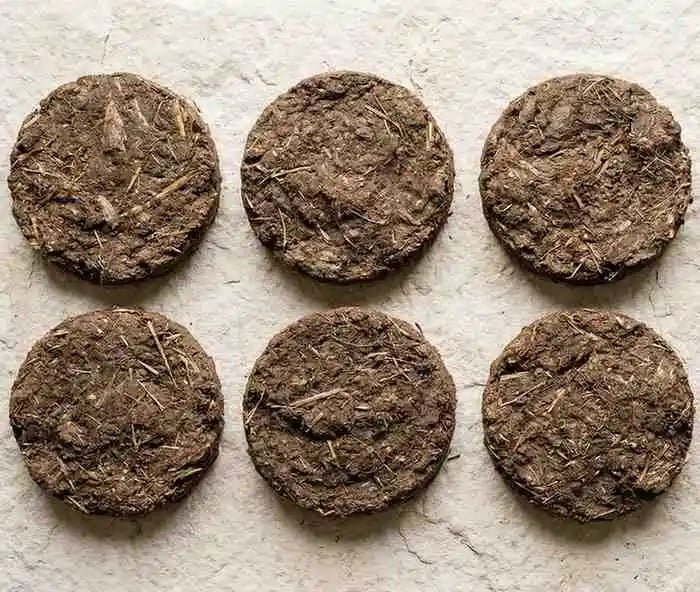
Cow Dung Kande
Order Now
Village Made Cow Dung Cakes Delivered Across India
Finding genuine cow dung cakes sounds easy until someone actually tries to buy them. Many people assume that cow dung cakes are available everywhere and that all of them are the same. But anyone who has tried ordering cow dung cake online or buying from a city market usually learns the difference very quickly. One common problem is purity. Many cow dung cakes sold today are mixed with mud, straw waste, or other fillers. From outside they look normal, but once they start burning the smoke becomes heavy and the smell feels strange. Proper cow dung cakes have a very different smell. It is earthy, slightly warm, something many people remember from village homes.
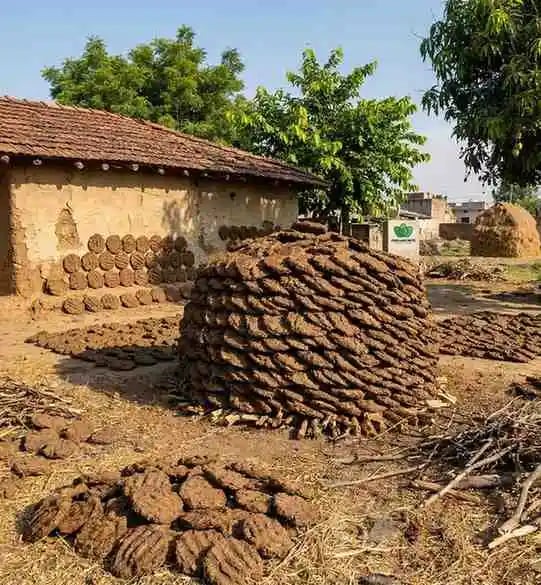
Another issue is moisture. Cow dung cakes need proper sun drying. If they are packed too early or stored in humid places, they remain damp inside. When such cow dung cakes are used for pooja or havan, they either produce too much smoke or refuse to burn properly. Some buyers complain that the cake keeps breaking while lighting it. Then there is the machine made version. Some sellers press cow dung into moulds using machines to increase production. They look very neat and uniform. But many traditional users prefer handmade desi cow dung cakes because they dry differently and burn more steadily. I might be wrong here, but people who grew up using village chulhas often notice this difference immediately. Another challenge is trust while buying cow dung cake online. Photos look perfect on websites. When the package arrives, sometimes the cow dung cakes are already broken, crushed into powder, or mixed with very small pieces. Some buyers feel the quality depends heavily on the source. Cow dung from desi cows fed on natural fodder tends to produce better cow dung cakes compared to dung collected from cattle kept only for commercial dairy feed. But this also depends on the gaushala or village. And then there is the smell factor. If cow dung cakes are stored badly, they can pick up a stale smell that most people do not expect when opening the box. So the real difficulty is not finding cow dung cakes. The real difficulty is finding cow dung cakes that are clean, properly dried, and actually usable for pooja, havan, farming, or traditional household use.
Where These Cow Dung Cakes Come From and How They Are Made
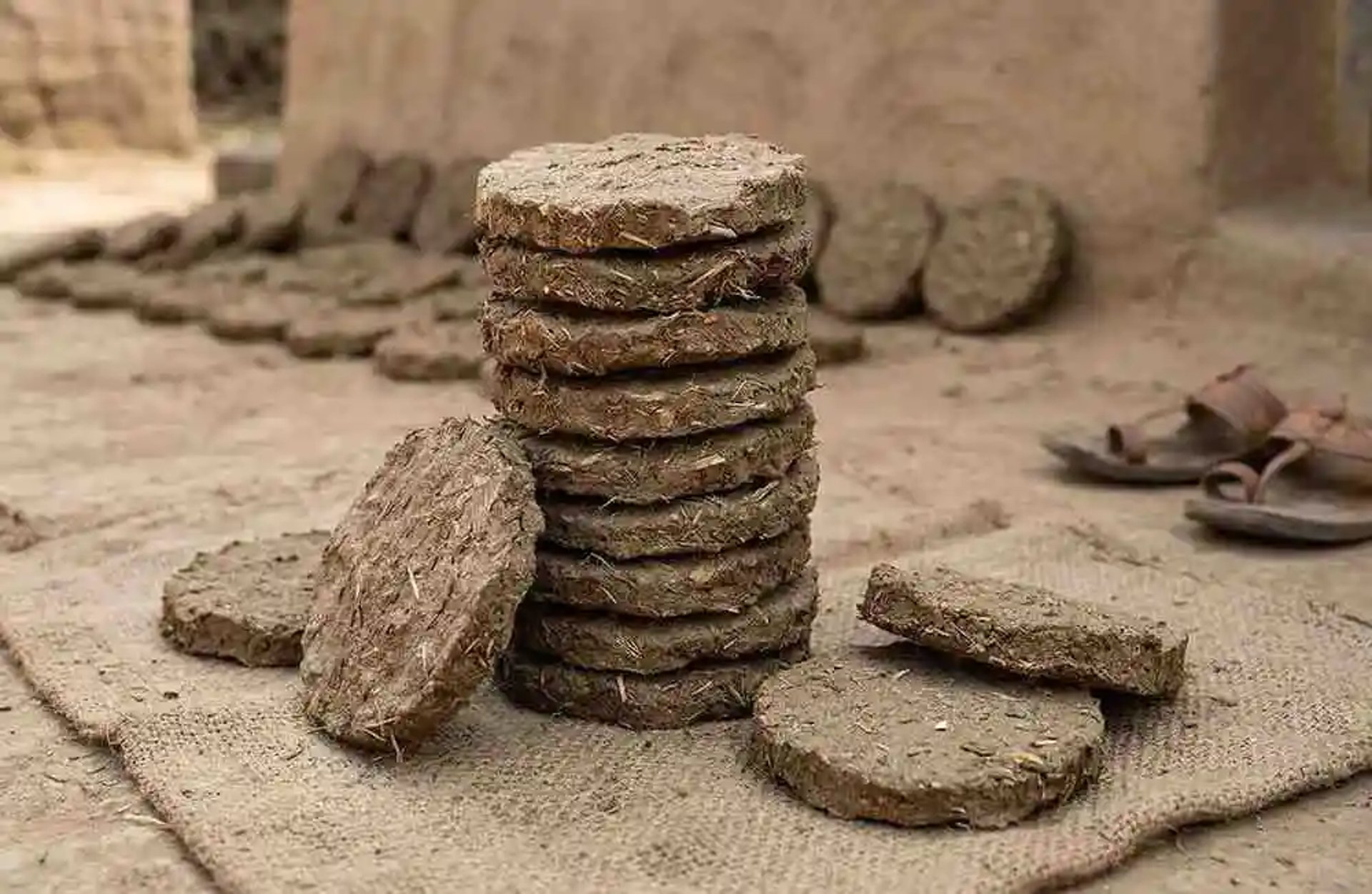
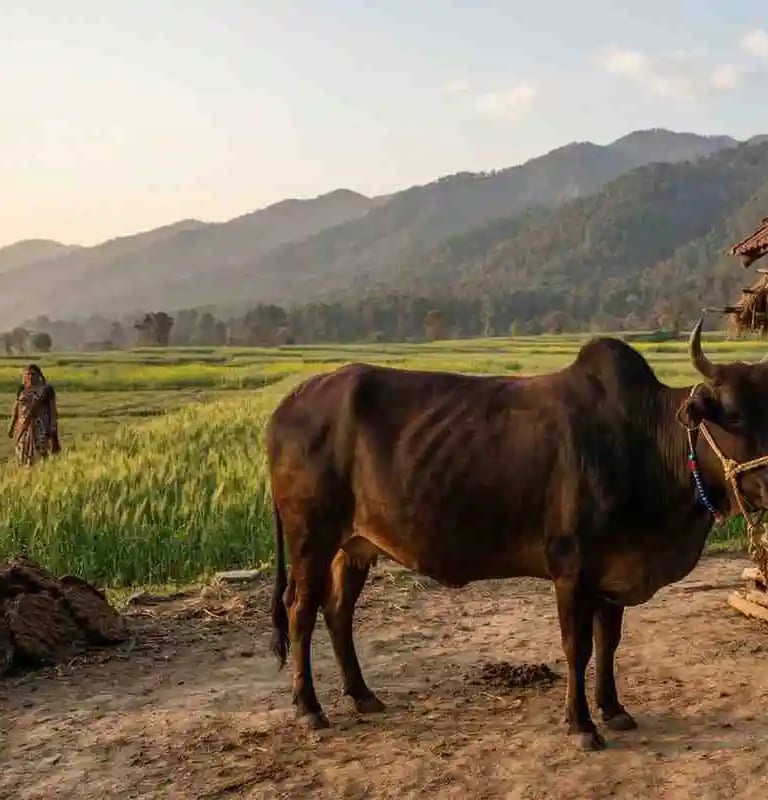
These cow dung cakes come from small villages where cows are still part of daily life, not just dairy production. Most of the dung used for these cow dung cakes is collected from desi cows that graze on local fodder, dry grass, and seasonal crops. That diet actually affects the texture of the cow dung cake, something many people notice when they burn it. The making process is simple and very traditional. Fresh dung is collected in the morning. Women in the village usually shape the cow dung cakes by hand. They press the mixture into flat round shapes using palms and fingers. No machines, no mould pressing. Hand made cow dung cakes rarely look perfectly round. Some edges remain uneven. Finger marks sometimes stay visible after drying. That is normal. After shaping, the cow dung cakes are placed on walls, ground floors, or open drying areas under direct sunlight. Proper drying takes two to four days depending on the season. Summer dries them quickly. Winter takes longer. During monsoon it becomes tricky because moisture slows the drying process. Once dry, the cow dung cakes become light in weight and slightly firm. At that stage they are collected and stored in a dry room before packing. Some buyers prefer machine made cakes because they look neat. Personally, many traditional users still prefer hand made desi cow dung cakes. They burn slower and feel more natural. But some buyers feel both work fine for pooja and havan. Depends on usage. When people buy cow dung cake online, they often do not realize how simple and human this process actually is. No factory production line. Just village routine work. Sometimes early morning, sometimes late afternoon. That is how most real cow dung cakes are made.
Real Look, Smell and Burning Behaviour of Cow Dung Cakes
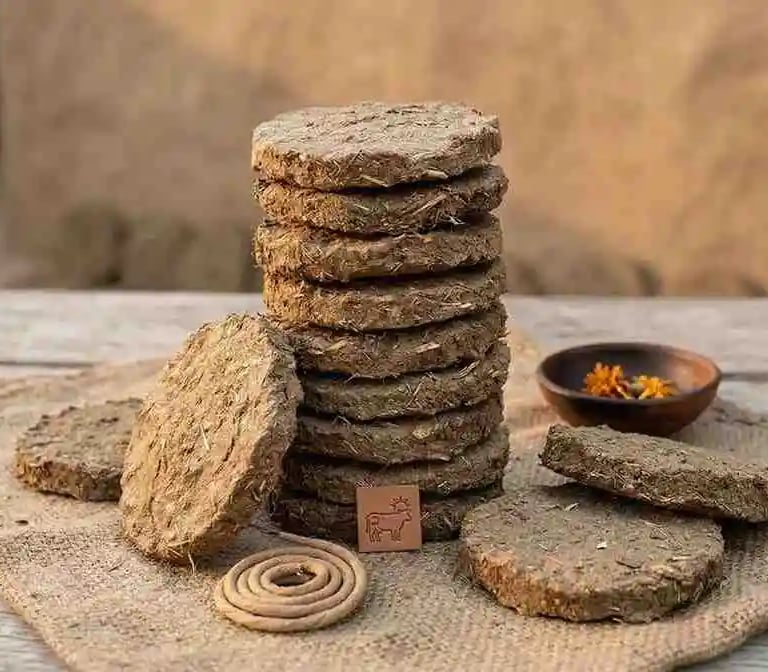
Good cow dung cakes are easy to recognise once someone has used them a few times. First is the colour. Properly dried cow dung cakes usually appear light brown to earthy brown. If they look very dark or black, they might still contain moisture or too much soil mixed inside. The smell is another indicator. Fresh cow dung cakes have a mild earthy smell. Not sharp, not chemical. Some people say it reminds them of village courtyards or old mud houses. If a cow dung cake smells sour or stale, it usually means it absorbed moisture during storage. Burning behaviour tells the real story. When a dry cow dung cake is lit properly, it catches slowly and burns with steady heat. The flame is not very large. It smoulders more than it flames. Smoke is present but not harsh. For pooja or havan, this slow burn actually works well because it allows samagri and ghee to stay longer on the fire. Cow dung cakes usually burn for several minutes depending on thickness. Thicker cakes last longer. Thin ones finish quickly. Ash is another small detail many people overlook. After burning, cow dung cakes leave a fine grey ash. That ash is sometimes collected and used in small farming applications or even mixed in soil for plants. Some cakes burn very clean. Some produce more smoke. That difference often depends on drying quality, storage conditions, and sometimes the season when the cow dung cakes were made.
Common Ways People Use Cow Dung Cakes at Home
In many homes, cow dung cakes are not something new. They have been used for generations. Some people buy them mainly for pooja. Others keep a few cow dung cakes in the house for small daily uses that city shops rarely talk about. Daily pooja is probably the most common use. A small piece of cow dung cake is lit in a diya stand or small havan kund, and samagri or dhoop is placed on top. The slow burn helps the fragrance spread gradually through the room. Some households use cow dung cakes early in the morning just to create a little natural smoke. It is believed to help keep mosquitoes away, especially during monsoon months. Some buyers say it works well. Some feel it depends on ventilation. Another common use is during small havan rituals at home. Instead of using only wood pieces, people place one or two cow dung cakes at the base and then add havan samagri and ghee. The cake burns slowly and keeps the fire steady In villages, cow dung cakes are still used in traditional chulha cooking. Rotis, tea, and simple meals cooked on a chulha using cow dung cakes have a slightly different aroma. People who grew up in rural homes often remember that smell very clearly. Some households also break cow dung cakes into smaller pieces and mix them into compost pits or organic farming beds. The ash and residue help improve soil condition over time. There are also small craft uses. During festivals, some families use soft cow dung to make gobar diyas or small shapes used for rituals. Not everyone uses cow dung cakes for all these purposes. Some people only keep them for festivals. Some only for pooja. Usage really depends on the household habit.
Cow Dung Cakes for Pooja, Havan, Chulha and Festival Use
For religious and traditional rituals, cow dung cakes are considered very practical because they burn slowly and maintain a steady heat. In pooja or havan, the cow dung cake is usually placed at the bottom of the havan kund. A small piece of camphor or cotton wick dipped in ghee helps start the flame. Once the cow dung cake catches slowly, havan samagri and ghee can be added in small amounts. The fire stays controlled and does not rise too aggressively, which makes it easier during long havan rituals. During festivals like Diwali, Navratri, or Griha Pravesh ceremonies, many families specifically look for desi cow dung cakes because they believe natural materials should be used for sacred rituals. That preference is quite common. In village kitchens, cow dung cakes still serve another purpose. They act as fuel for mud chulhas. One cow dung cake can burn long enough to cook basic meals. Sometimes two cakes are stacked for stronger heat. People who cook on chulha often say the heat feels softer compared to LPG flame. Food cooks a little slower but the taste changes slightly. Some buyers order cow dung cake online mainly because they live in cities where finding good quality cakes locally is difficult. Festivals arrive, and suddenly everyone starts searching. Then they realise local stores either do not keep them or the quality is questionable. So ordering cow dung cake online becomes the practical option for many households that still follow traditional rituals.
Practical Benefits of Using Natural Cow Dung Cakes
Many people who buy cow dung cakes are not looking for anything fancy. They simply want something natural that works the way it has worked in homes for years. One practical benefit of good cow dung cakes is steady burning. A properly dried cow dung cake does not flare up like dry wood. It burns slowly and gives stable heat. That makes it useful for pooja and havan where a controlled fire is needed. Another benefit people notice is the smell during burning. Natural cow dung cakes usually release a mild earthy smell. Not everyone pays attention to it at first, but people who grew up around village homes recognise it instantly. The ash left after burning cow dung cakes is also useful. The ash is soft and powdery. Some people mix this ash into garden soil or small kitchen gardens. It is not a miracle fertilizer or anything like that, but it can help soil texture a little. Cow dung cakes are also simple to handle. They do not require special storage containers, fuel systems, or tools. A small dry corner in the house is enough. For people doing regular havan or festival rituals, cow dung cakes also reduce the need for large wood pieces. One cow dung cake can maintain a small sacred fire for quite some time. And honestly, some people simply prefer natural materials. When pooja is done using traditional items like cow dung cakes, ghee, and havan samagri, the entire ritual feels closer to how it has been practiced in many families.
Storage, Packaging and Delivery Reality of Cow Dung Cake Online
Buying cow dung cake online solves one problem but introduces another. Transport. Cow dung cakes are naturally dry and slightly fragile. Even when packed carefully, a few pieces may break during shipping. That is quite common. Small cracks, loose powder, or chipped edges can happen inside the box. Most sellers try to reduce this by using layered packaging. Still, complete protection is difficult because cow dung cakes are not solid bricks. Weather also affects storage. During monsoon months, cow dung cakes can absorb moisture if they are stored in damp places after delivery. When that happens, they may feel softer and take longer to burn. So once the cow dung cake online package arrives, it is better to open the box and keep the cow dung cakes in a dry place with some airflow. A simple cardboard box or cloth bag works well. Some dust inside the package is normal. The smell inside the box may feel strong when first opened. That usually settles once the cakes are kept in open air for a few hours. These small things surprise many first time buyers who order cow dung cake online expecting factory level packaging.
Frequently asked questions
Are these cow dung cakes made from desi cows?
Many buyers ask this first. In most village sourced products, the cow dung cakes come from local desi cows, but it can vary depending on the gaushala or farmer group supplying them.
Do cow dung cakes produce too much smoke during pooja?
If the cow dung cakes are properly dried, the smoke is usually moderate and manageable. Damp cakes tend to produce heavier smoke.
How many cow dung cakes are needed for a small havan?
Usually one or two cow dung cakes are enough for a small home havan. Larger rituals may need more depending on duration.
Is it safe to buy cow dung cake online?
Many people buy cow dung cake online now, especially in cities where local supply is difficult. The main thing to expect is slight breakage during delivery.
How long do cow dung cakes last in storage?
If stored in a dry place, cow dung cakes can last many months. Moisture is the only real enemy.
Stay Connected
Get updates on fresh stock and special offers
Cowdungcakes.in delivered fresh, pure cow dung cakes that burned cleanly for our havan. Truly chemical-free and village sourced!
Sumit


★★★★★
Cow Dung Cakes
100% Pure Natural Cow Dung Cakes Without Chemicals
Contact
Newsletter
info@cowdungcakes.in
8700998508
© 2026. All rights reserved.